
QueerLove
Shouldn’t Hurt
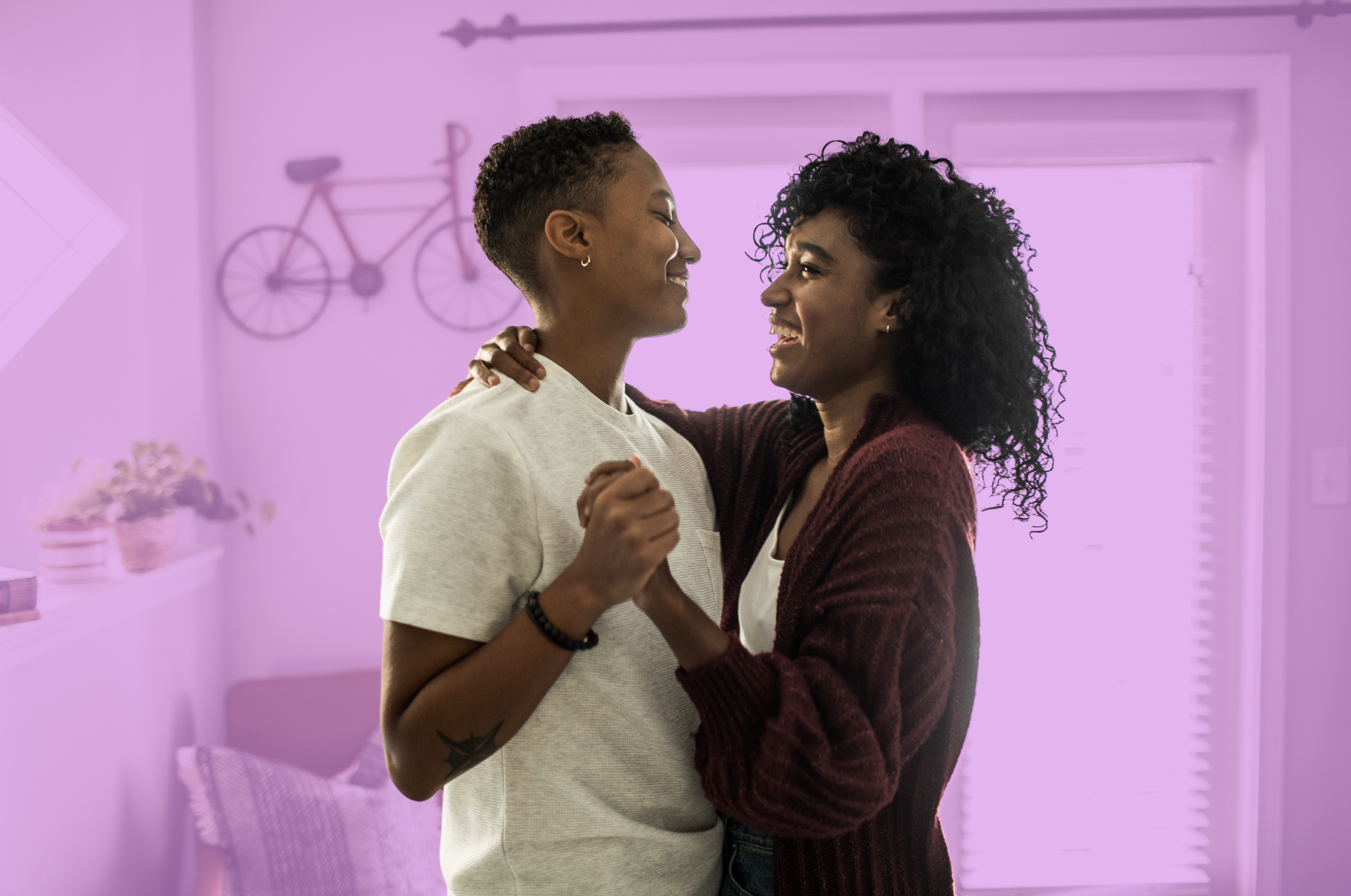

But for too many LGBTQ+ people, harm shows up in the places we’re told should feel the safest.
Need immediate help? Call the DC Victim Hotline
(844) 443-5732
Domestic & family violence in LGBTQ+ communities is real and often invisible.
The Reality
Nearly two in five LGBTQ+ young people (39%) reported that they had ever been forced to do “sexual things” that they did not want to do.
More than half (54%) of trans and non-binary people have experienced intimate partner violence.
LGB women are significantly more likely than straight women to have ever experienced intimate partner violence in their lifetime, reported by 61% of bisexual women and 44% of lesbian women.
A third of men in same-sex relationships experience emotional violence, a quarter face physical violence, and one in ten endure sexual violence.
Unique Factors
-
A population that is already at higher risk of experiencing homelessness, trans and nonbinary folx are often excluded from DV shelter policies, leaving them with limited resources (Sechrist et al., 2022).
Seeking help could lead to an "outing" of oneself or being "outed" by their partner, which could lead to the loss of child custody, careers, social and familial relationships, religious affiliations, and can even result in criminal punishment in some states (Serra, 2013).
The risk of arrest and incarceration can have devastating and life-threatening consequences for LGB and particularly trans folx, and even more so if they are a person of color (Bermea et al., 2021).
Due to the non-traditional nature of the LGBTQ+ family structure, courts do not always equally recognize child guardian rights. In most cases excluding adoption, one parent has biological ties to the child while the other does not. Courts and the child welfare system often dismiss the parent without biological ties to the child (Polikoff, 2018).
Black women who identified as lesbian or bisexual were 4 times more likely to lose custody of their children than their heterosexual counterparts (Harp, 2016).
Seeking IPV help can and has caused children of LGBTQ+ couples to be placed in foster care, further perpetuating the "unfit" stereotype of queer parents.
Because same-sex partnerships do not fit the stereotypical image of the male perpetrator and female victim, dual arrests in cases of IPV occur in nearly 30% of same-sex couples as opposed to 1% of heterosexual couples (Andreano, 2020).
-
Free services from LGBTQ+ providers
Affordable LGBTQ+ Therapists
-
-
-
Services by LGBTQ+ Providers
Other Resources
Ayuda
Bread for the City
DC Coalition Against Domestic Violence
Georgetown Law Clinic
Mil Mujeres
Safe Sisters Circle
Tahirih
Tzedek DC
Volare
Volunteer Legal Advocates
-
Services by LGBTQ+ providers
Other resources
DC Forensic Nurse Examiners
Iona Senior Services
La Clínica del Pueblo
Mamatoto Village
Mary's Center
Planned Parenthood
Safe Shores - DC Children's Advocacy Center
S.O.M.E. (So Others Might Eat)
-
-
Resources
Stand with LGBTQ+ Survivors

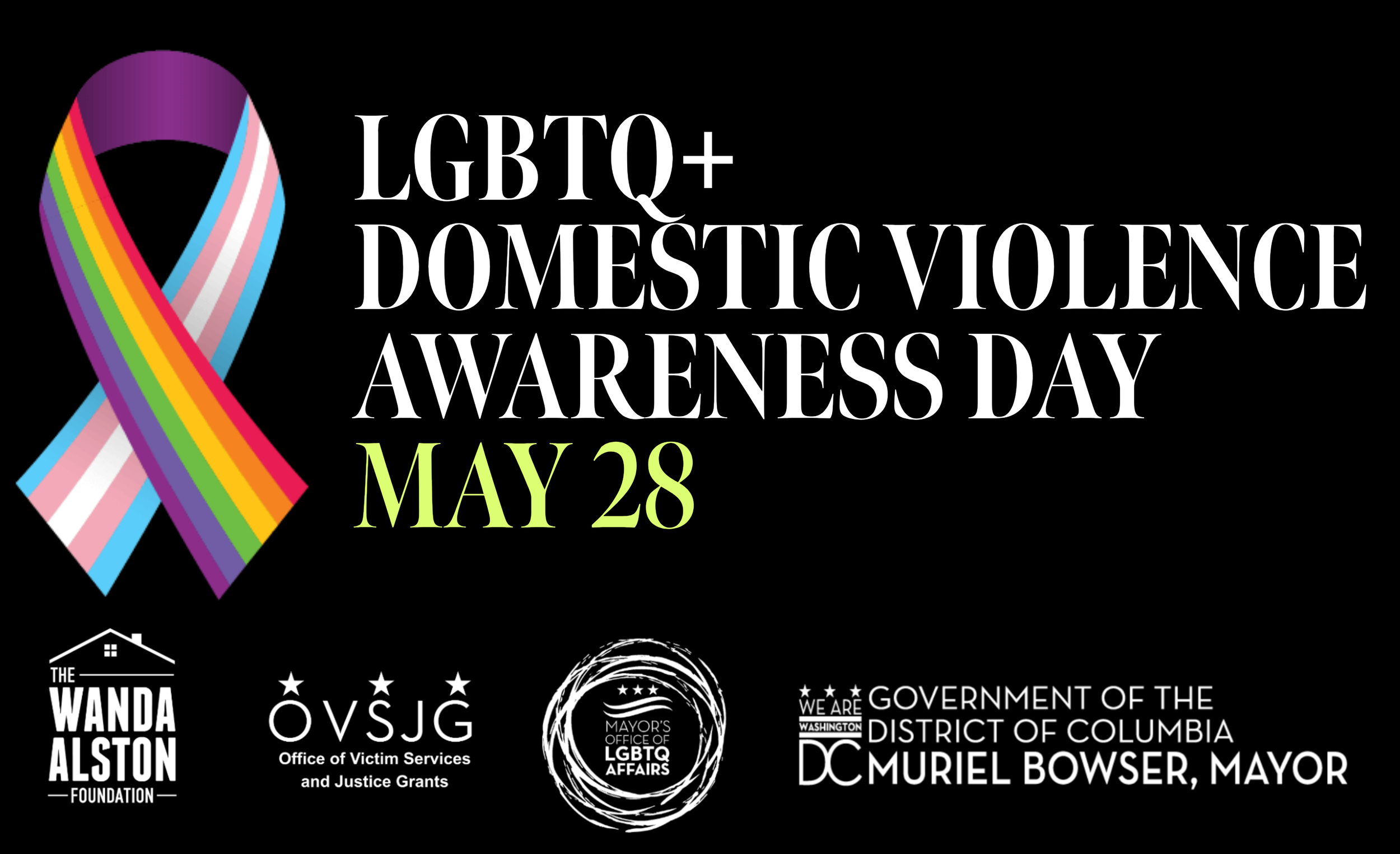
This public awareness campaign is made possible by the generous support of:

Thank you to our partners!
Want to partner with us in promoting these resources? Please email us here.
Download Social Media Graphics
Instagram: Queer Love & May 28th
Poster: Queer Love & May 28th
The Events:
-
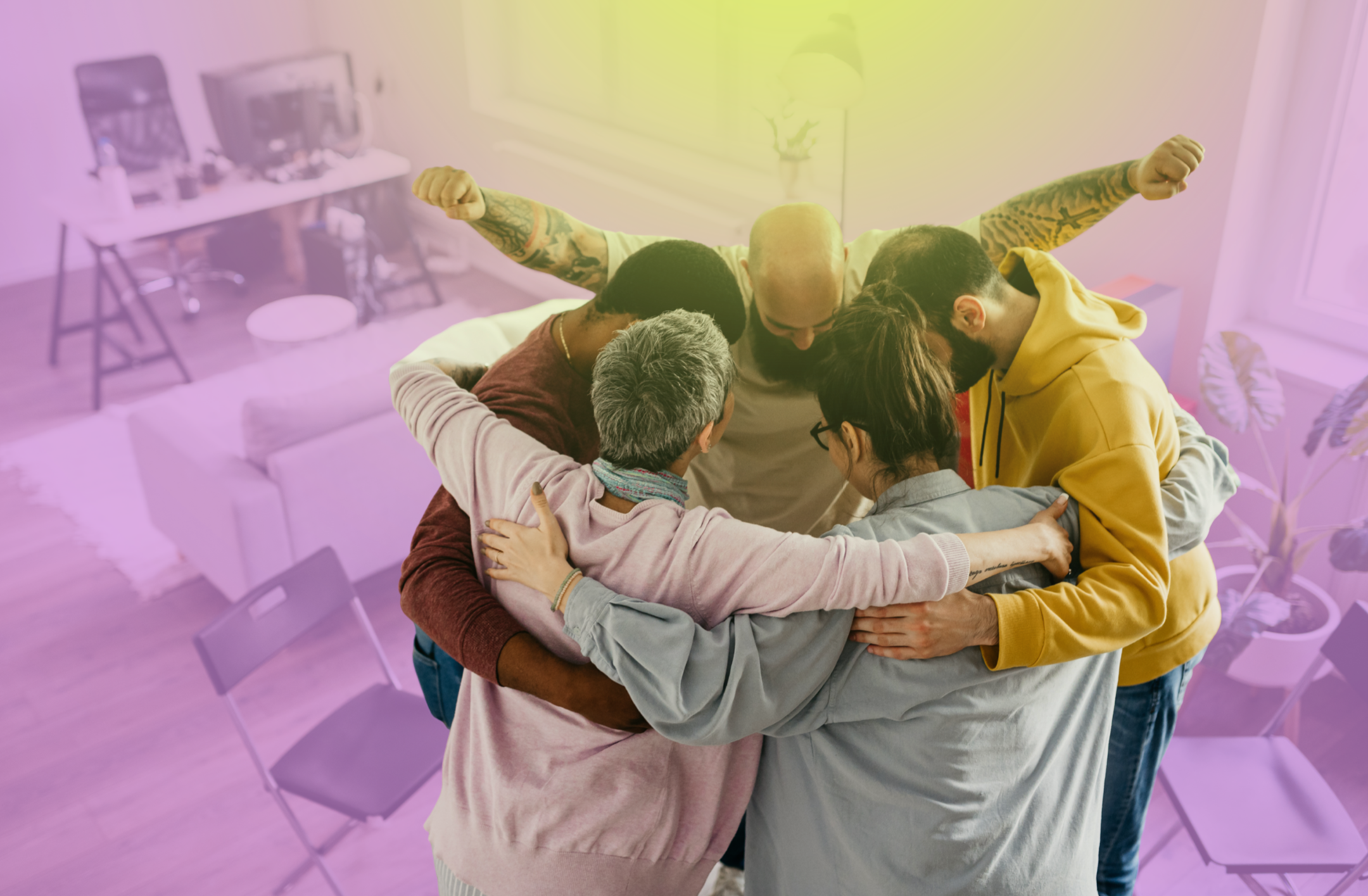
Empowering Survivors of LGBTQ+ IPV
Monday, June 1, 6:30pm-7:30pm
This workshop provides psychoeducation on various forms of abuse and the unique dynamics that show up in LGBTQ+ relationships, destigmatizing feelings of shame and isolation in survivors.
Presented by Jessie Wedell, LGPC, at LGBT+ Counseling Collaborative, lgbtcounselingdmv.com -

Help Over Harm: What Frontline Workers Need to Know About Addressing IPV in LGBTQ+ Clients
Thursday, May 28, 12pm-1pm
This workshop provides psychoeducation for healthcare workers on the unique barriers and necessary considerations when working with LGBTQ+ clients.
Presented by Jessie Wedell, LGPC, at LGBT+ Counseling Collaborative, lgbtcounselingdmv.com -
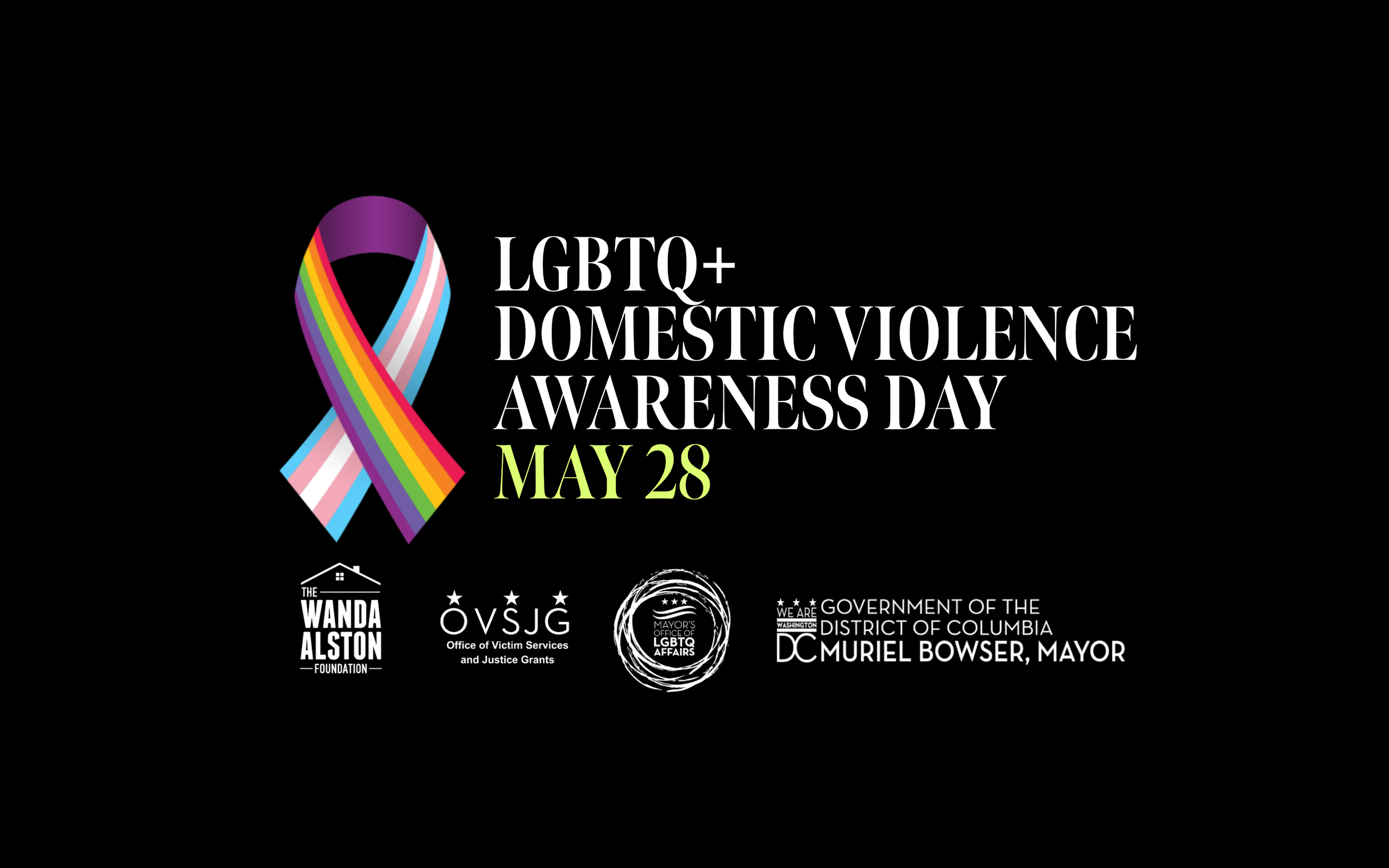
Queer Love Community Social
Thursday, May 28, 6pm-8pm
Join us this LGBTQ+ Domestic Violence Awareness Day for a community social dedicated to visibility and survivor resilience.
Let’s gather to strengthen our bonds, honor the path to healing, and share free resources.
-
New List Item
Description goes here